



Solar Installed but Electricity Bills Still High? Start with Smart Energy Monitoring
Why the Bill Can Stay High After Installing Solar
Installing solar panels is only the first step toward reducing electricity bills. Many homeowners still see a high bill after the PV system is installed because the home is not using solar energy at the right time.
A common pattern looks like this:
- Solar production is high during the day.
- The home load is low during those sunny hours.
- Surplus solar energy is exported to the grid.
- In the evening, the home imports electricity from the grid again.
If the exported energy is credited at a lower price than the imported electricity, the solar system may generate a lot of energy but still deliver smaller savings than expected.
This is why solar homeowners need more than an inverter production chart. They need to understand the full energy flow of the home.
What You Need to Check First
If your solar system is installed but your bill is still high, start by checking these values:
- Solar production: how much energy the PV system generates
- Home consumption: how much energy the home actually uses
- Grid import: how much electricity is still bought from the grid
- Grid export: how much solar surplus is sent back to the grid
- Self-consumption rate: how much solar energy is used directly by the home
- Feed-in income and total savings
IAMMETER is designed to help users monitor these values in a home solar PV system.
Start here:
The Inverter App Is Often Not Enough
Most inverter apps show solar generation. That is useful, but it does not always explain the bill.
For example, an inverter app may show that the PV system generated 20 kWh in one day. But the electricity bill depends on more than that:
- Did the home use that solar energy directly?
- Was most of it exported?
- Did the home import grid electricity during peak-price hours?
- Was the feed-in price much lower than the import price?
Without grid import/export data, the homeowner cannot see where the real savings are lost.
Use IAMMETER Reports to Find the Cause
IAMMETER solar reports help users compare solar production, grid import/export, electricity cost, feed-in income, and savings over time.
These reports can show whether the problem is:
- High evening import after daytime export
- Low self-consumption rate
- Incorrect tariff or feed-in assumptions
- A large load running outside solar production hours
- A wiring or meter configuration issue
Related page:
Improve Self-consumption Before Buying More Equipment
When solar savings are lower than expected, the first step is usually not to add more panels.
If the home already exports a lot of energy, the better opportunity may be to use more solar energy inside the home.
Possible actions include:
- Shift flexible loads to sunny hours.
- Schedule appliances when solar export is high.
- Charge EVs during solar production windows.
- Use Home Assistant or other automation based on real-time grid power.
- Use solar surplus for water heating when the load is suitable.
IAMMETER provides the measurement data needed to make these decisions based on actual energy flow.
Use Solar Surplus for Water Heating
If the home has a resistive electric boiler or water heater, solar surplus can be converted into useful heat.
With the WPC3700 Wi-Fi Power Controller, IAMMETER can linearly control a resistive load according to available solar surplus.
In a typical setup:
- An IAMMETER meter monitors real-time grid import/export.
- The system detects when surplus solar energy is available.
- WPC3700 adjusts boiler or water heater power.
- The home consumes more solar energy directly and imports less electricity from the grid.
Learn more:
Important note: WPC3700 is for resistive loads. It should not be used to linearly control heat pump compressors, motors, inverter appliances, or unsuitable electronic loads.
Choose the Right Meter for Diagnosis
The right meter depends on what needs to be measured.
- WEM2067: suitable for simple single-phase home solar with grid + inverter monitoring, or split-phase grid-side monitoring.
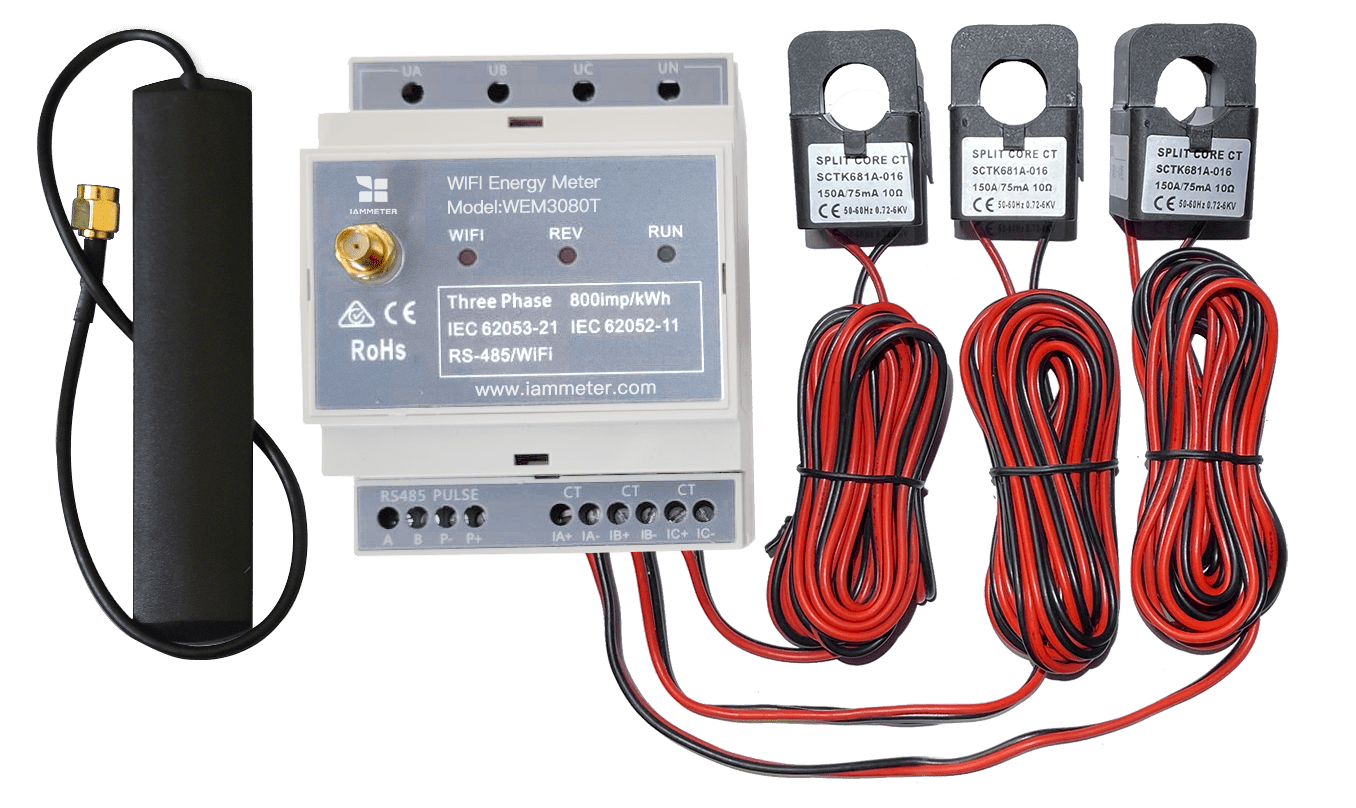
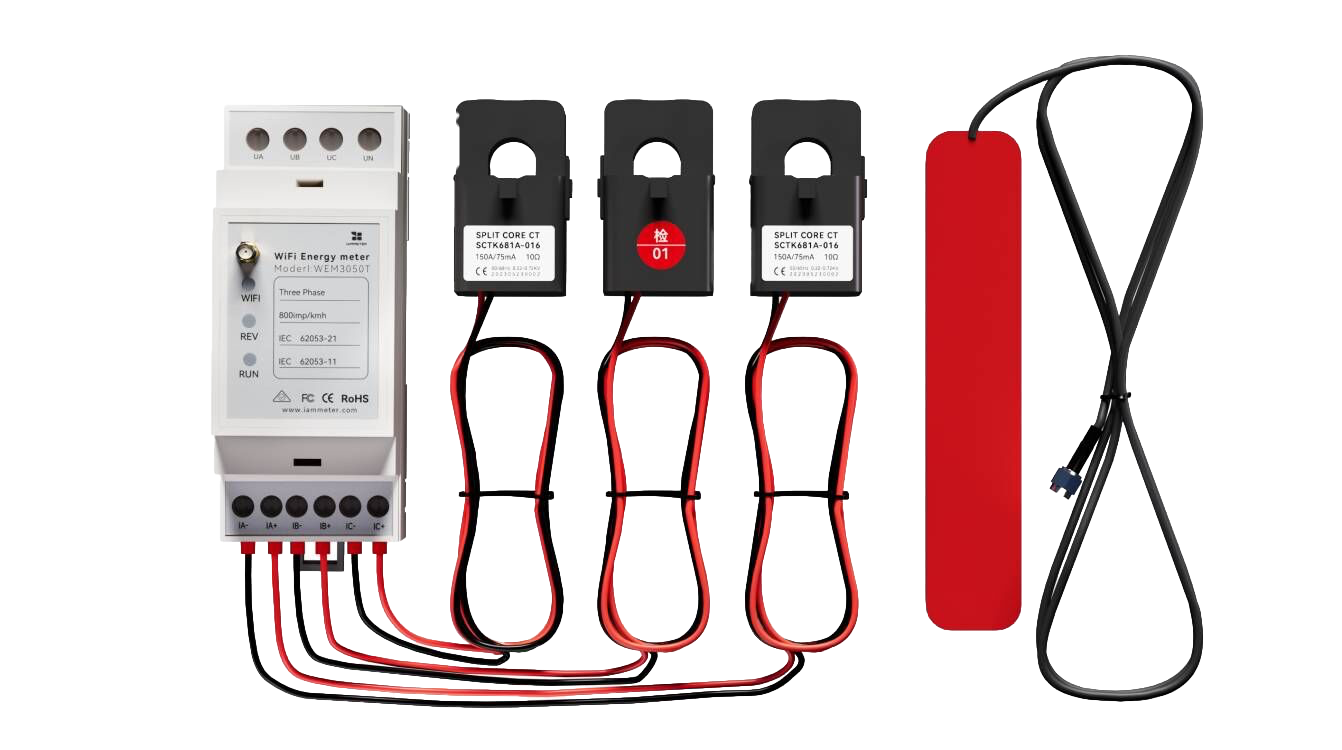
- WEM3050T: flexible option for single-phase, split-phase, and three-phase home solar monitoring.
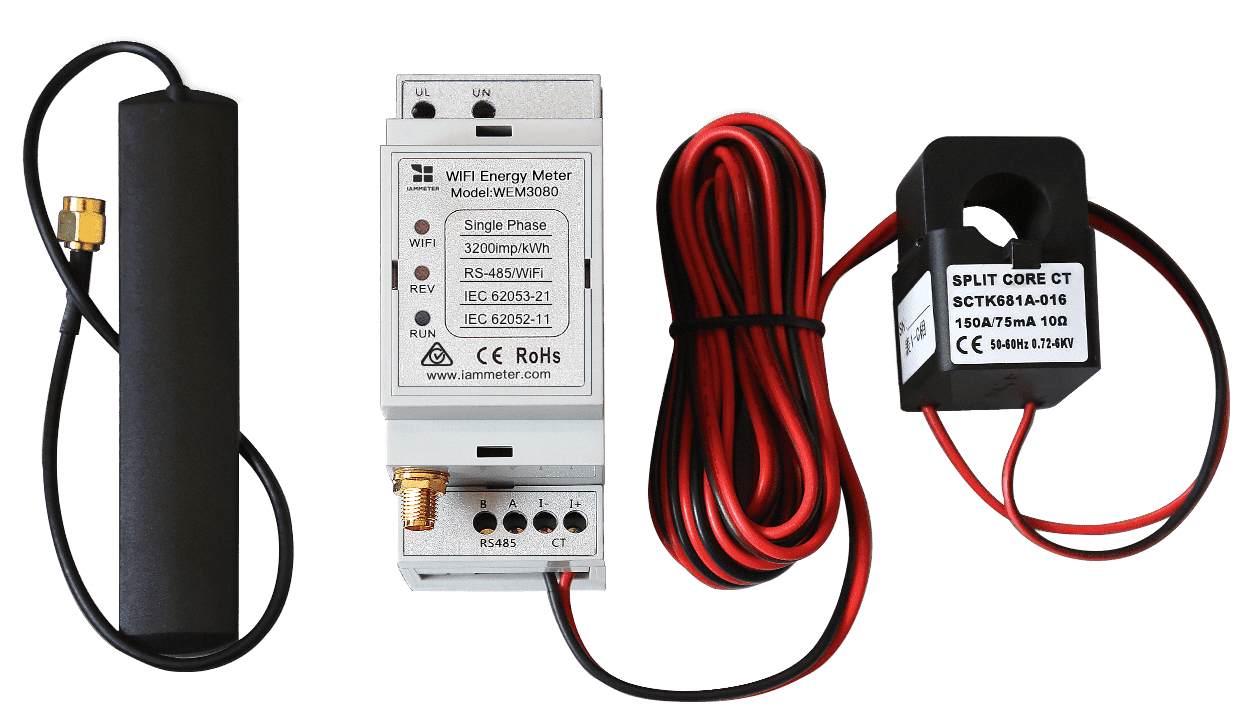
- WEM3080: suitable for one measurement point, such as grid side or inverter output, but not enough alone for full home solar analysis.
For wiring examples, see:
Summary
If your solar panels are installed but the electricity bill is still high, the key question is not only how much solar energy is generated.
The better questions are:
- How much solar energy is used directly?
- How much is exported?
- How much electricity is still imported from the grid?
- When does import happen?
- Which loads can be shifted or controlled?
IAMMETER helps answer these questions with monitoring, reports, and optional solar surplus control, so homeowners can move from basic solar generation data to practical bill reduction.